The Institute for State Effectiveness (ISE) works on pathways for economic development, peace, and stability within countries and across regions. We believe opportunity lies in developing the tools and insight to support communities, governments, and international organizations to make institutions more inclusive and accountable to citizens.
We create and refine concepts and methodologies to anticipate the next generation of governance challenges and opportunities.
We help institutions and their leaders strengthen their capacity to advance transformation and reform.

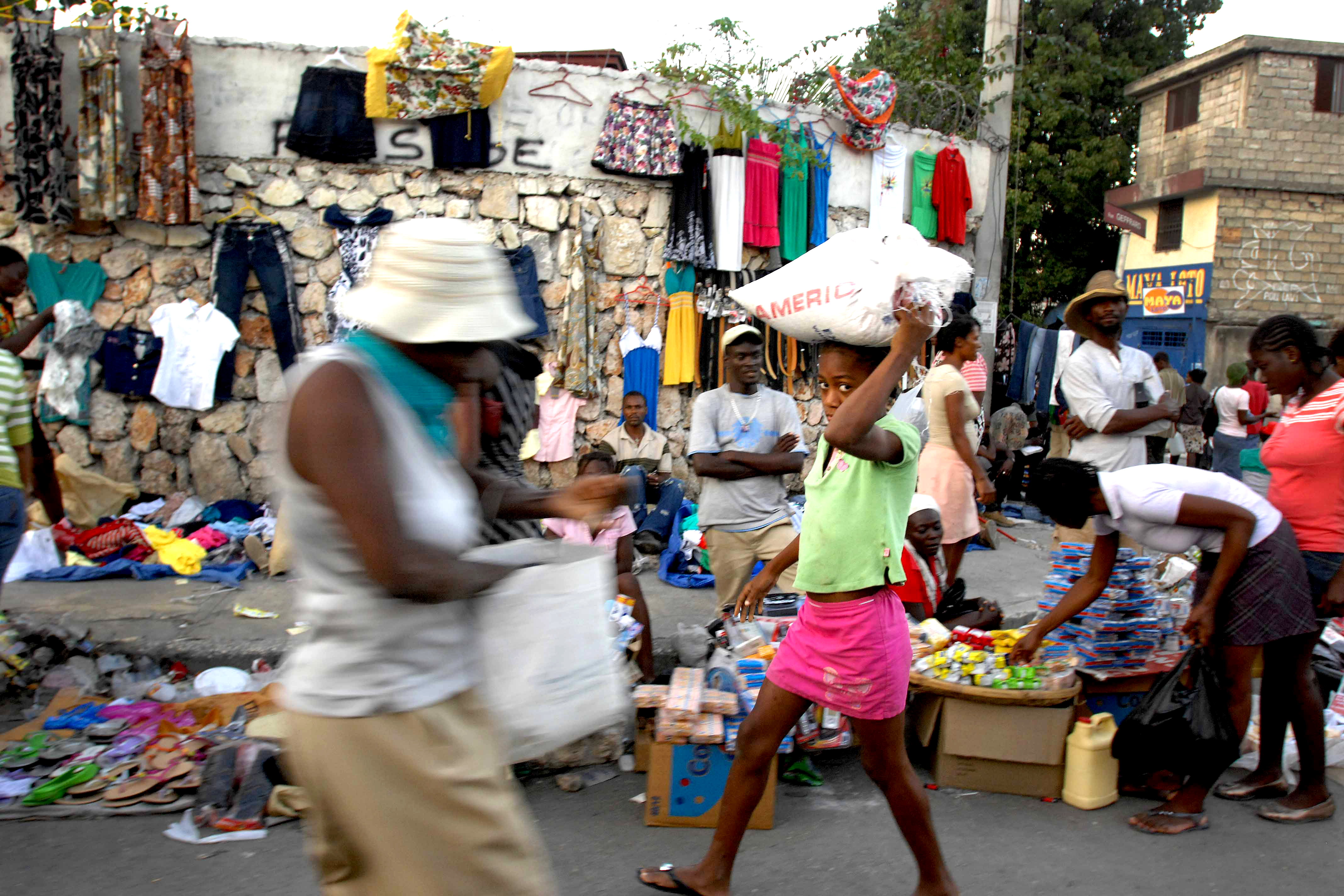
ISE’s analysis is informed by years of engaging with reform-minded leaders and working with policymakers and practitioners on governance challenges in a variety of contexts. Our analysis centers on core state functions and aims to help leaders and policymakers prepare for current and future challenges and opportunities.
Public sector management is a unique but essential challenge that forms the bedrock of the inclusionary compact between the state and its citizens. Governance requires uniform rules to create decision-making rights and guidelines that define relationships between individuals and organizations and provide opportunities for feedback, accountability, and revision. Getting governance right, particularly in developing countries, requires aligning organizational reforms to local contexts, promoting robust monitoring and accountability systems to prevent corruption, and building on assets as examples of success.
It is crucial to create an enabling legal environment so that citizens may participate in the market and a state can capitalize on its economic advantages. A state aids the creation and expansion of the market through setting rules for commercial policy, supporting private sector development, and intervening at times of failure or crisis. A state’s relationship with a market is highly context specific, with institutional structures changing with time and circumstance. It is in this tense but creative middle ground where a state must balance regulation while promoting competitiveness, legitimacy, and access.
The legitimacy of a state’s monopoly on the use of force determines the stability of the state and its social compact. A state’s security institutions, such as police and the military, and the type of force they use must fall under legitimate guidelines and laws. Institutional checks and balances on the state’s monopoly on the use of force are a critical demonstration of the state’s accountability to the rule of law. State security is a balancing act, where on one end extreme centralization of power may lead to authoritarian uses of violence outside of the law, while losing a monopoly on force greatly delegitimizes the state and often leads to violent struggles between non-state actors and parallel institutions.
Infrastructure serves as the backbone of a state and often is citizens’ primary daily interaction with state services through public utilities such as water, electricity and roads. Robust state infrastructure contributes to a decrease in inequalities, particularly between urban and rural communities, and helps better facilitate security, administrative control, human capital development, and disaster response. Laying a foundation for the market, infrastructure also creates avenues for participation in regional and global economies.
The rule of law is the “glue” that binds all aspects of the state, the economy and society. Each state function is defined by a set of rules that create governance arrangements. The state’s adherence to these arrangements can be seen in the alignment of formal and informal rule sets, the predictability and stability of how the rules are enforced, and the degree to which successive administrations and leaders adhere to the constitution and other laws. The accountability and monitoring mechanisms within the rule of law allow abuses to be identified and for reforms to take place in an organized manner.
The state must invest in all citizens—and all groups of citizens—for the future development and capacity of the state. The effects of this investment are almost instantaneous and have led to the rise of a global middle class. Human capital development has changed the very definition of education in a globalized economy, where new methods of problem-solving and technical skills are critical for a society’s success. Investments in higher education and public health are invaluable tools for a state to address poverty and social immobility, promote competitive industries, and drive innovation.
States have historically played a critical role in the creation of public lending institutions, which can be utilized to pay for their operations and obligations. Effective public borrowing and fiscal management enables states to develop predictable payment mechanisms, increase credibility among citizens and contracted service providers, and build resilience against market shocks. Sound public financial management is perhaps most important in fragile and conflict-afflicted states, where large sums of external funding lead to risks of corruption, mismanagement, and further debt. It is therefore crucial that states not only effectively manage public finances, but also build transparency and accountability mechanisms to better serve citizens.
The creation of citizenship rights that cut across gender, race, ethnicity, religion, class, and location is critical to a society’s prosperity. Using policy and laws to establish equal opportunities strengthens the social fabric and helps shift the dynamic of the state from a formal organization into a community of common sentiment with mutual rights and obligations. By engaging with citizens and addressing barriers to inclusion, states may better bridge contentious relations both among citizens and with the state.
A country’s wealth is made not just of money but also vast arrays of assets from land, water, the environment, extractives like minerals and oil, and other natural resources to “intangible” benefits such as licenses and permits. The way these assets are used sustainably and equitably for the collective good by a state is a measure of its effectiveness. It is imperative that states mobilize all their assets and are prepared for conversations on what defines a public good and how that good is being used.
The ability both to prepare for natural disasters and respond to them is a key measure of state resilience. It is imperative that states not only prepare for natural disasters within their geographic context, but also develop resiliency measures for crises such as drought, famine, and catastrophic weather. Clear frameworks and rules for how states respond to disasters, especially in the immediate aftermath, eases the costs and time for reconstruction and opens opportunities for reforms.
To learn more about the work we do, hover over the map on the left. If you'd like to see what we do in a specific state, click on the highlighted nations.
Leadership Engagement Programs
Tailored programs and retreats for leaders within a variety of sectors
Managing Governance Reform and Transformation Course
Equipping professionals with the tools and skills to better serve citizens
ISE’s Fellows Program
Enhancing practical skills and building networks for the new generation of global leaders